2 by 2 Table Step by Step Example (part 1) YouTube
Calculating Sensitivity & Specificity with a 2x2 Table YouTube

Introduction. In statistics, 2 × 2 tables are generally obtained by cross-classifying data from two binary variables; one variable will represent the rows of the table and the other the columns. For example, if gender (male, female) and smoking (no, yes) are being recorded for n subjects, data will best be summarized by a 2 × 2 table.
Medical Statistics Calculating Sensitivity and Specificity using a 2x2 table YouTube

Two by two tables provides you with various statistics and measures of association. In this page we will try to explain the measures concerned, however, many of these measures are difficult to understand. Before applying these statistics acquaint yourself very well with your data, the meaning of your variables, and build up a good understanding.
Two by two tables Epidemiology ShowMe
The manager wants to know if the proportion of males that prefer ketchup is the same as the proportion of females that prefer ketchup. Test the hypothesis two ways (1) using the Chi-square test and (2) using the z-test for independence with a significance level of 10%. Show how the two test statistics are related and compare the p-values.
Shows the two by two table used to calculate the sensitivity and... Download Scientific Diagram

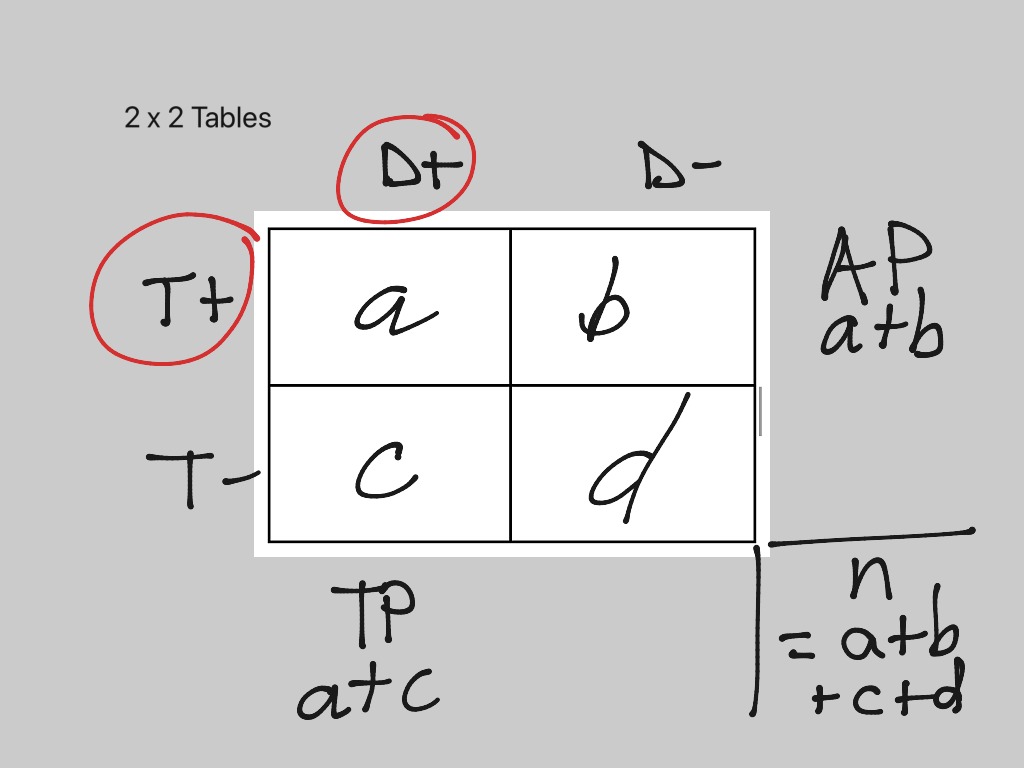
Necessary First Step: 2 x 2 Notation. Before getting into study designs and measures of association, it is important to understand the notation used in epidemiology to convey exposure and disease data: the 2 x 2 table.A 2 x 2 table (or two-by-two table) is a compact summary of data for 2 variables from a study—namely, the exposure and the health outcome.
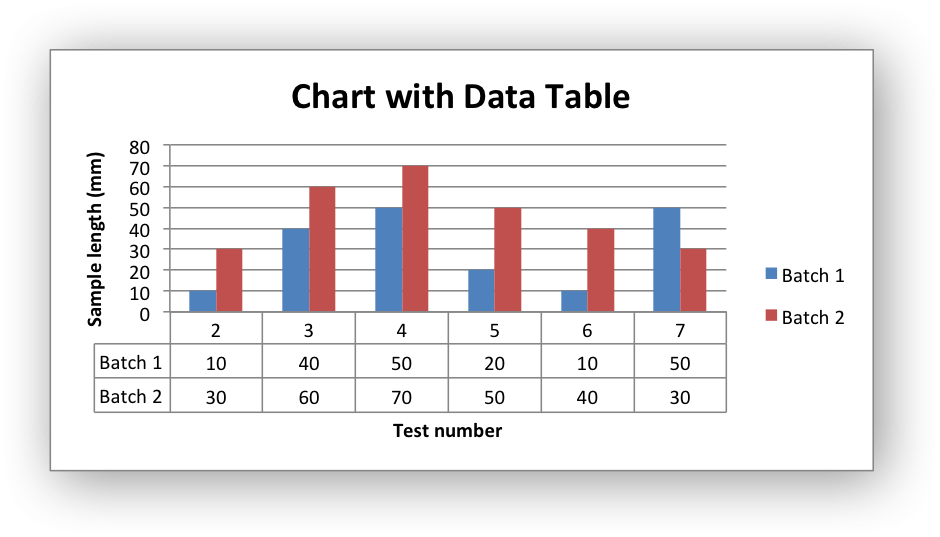
Example Charts with Data Tables — XlsxWriter
Including chi-square, odds ratio, risk ratio. Two by two table analysis. Row1: Row2: CI: 95%. z for 95% CI= 1.96. Definitely too few cases. Full analysis of a 2 by 2 table online including cohen's kappa, odds ratio, risk ratio, yule's q, yule's y agreement tests, yate's chi square, pearson's chi square, pearson's correlation, phi square, log.
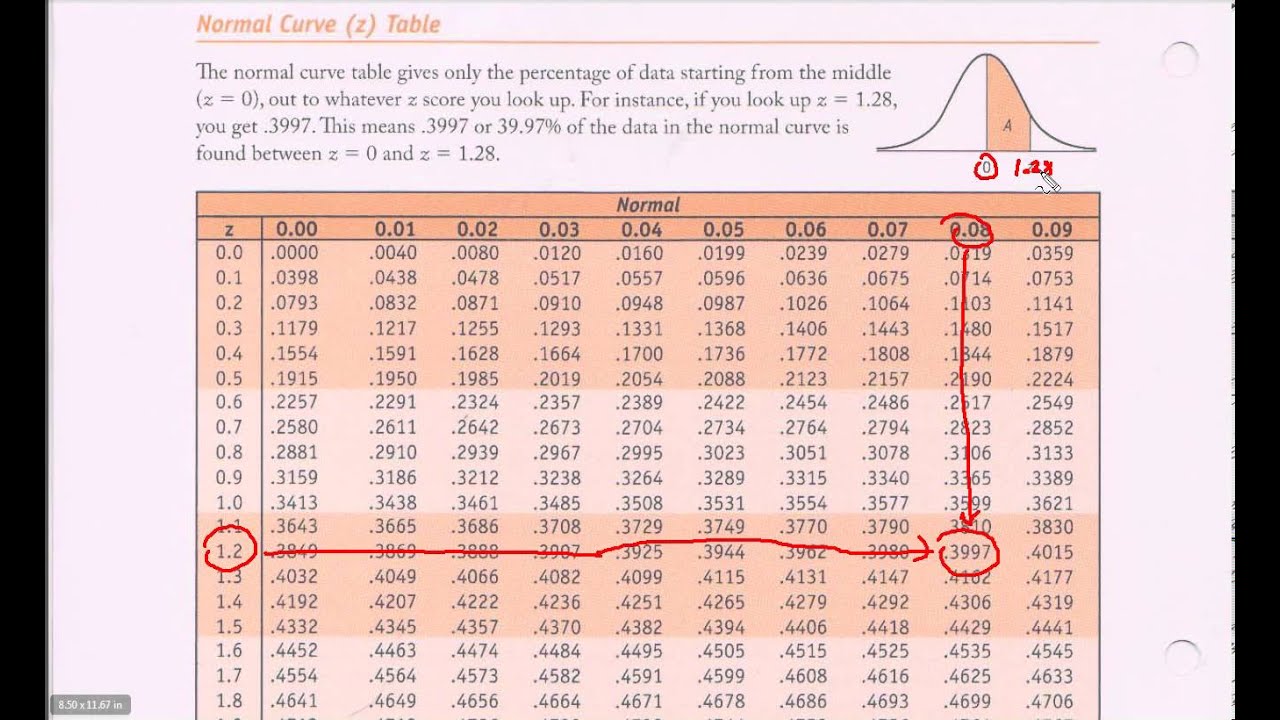
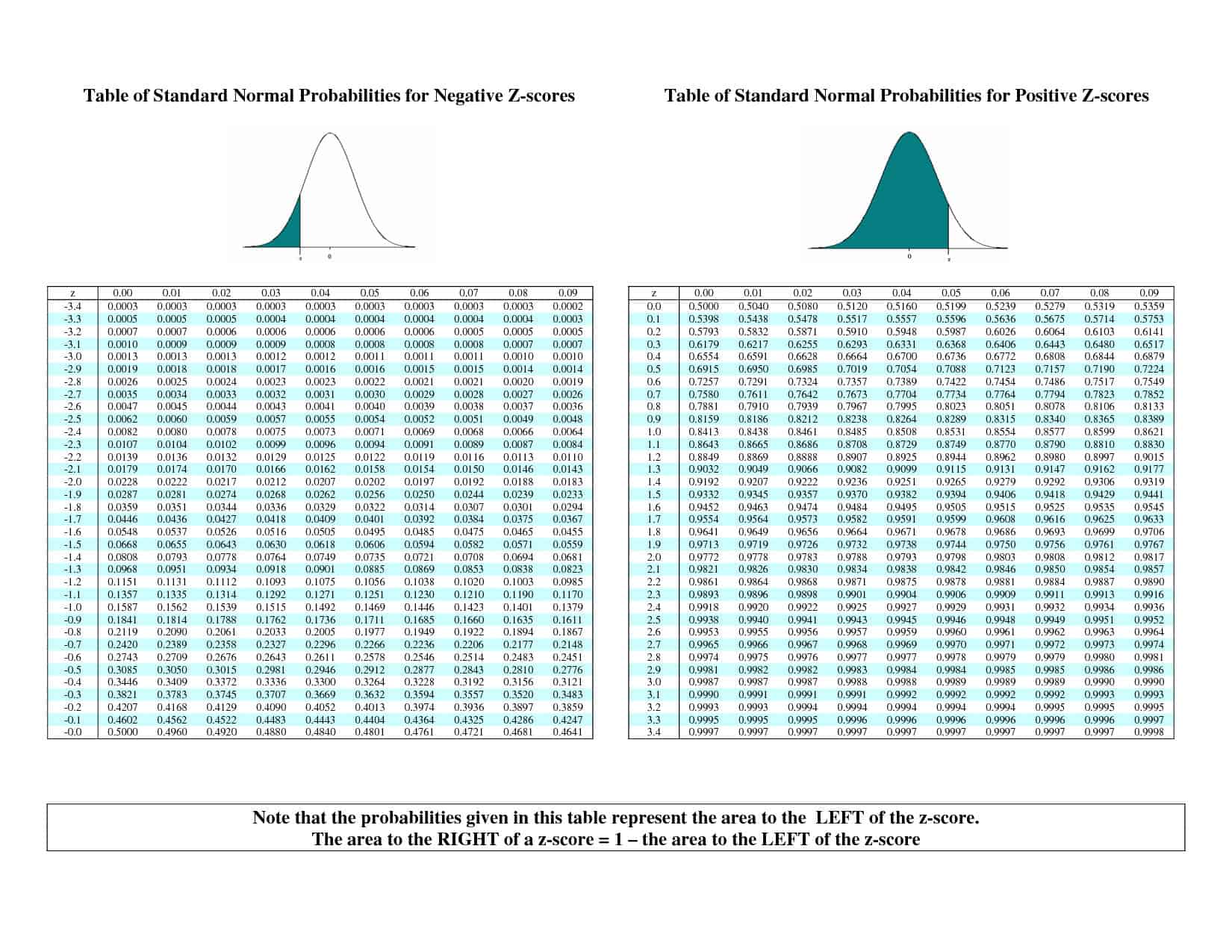
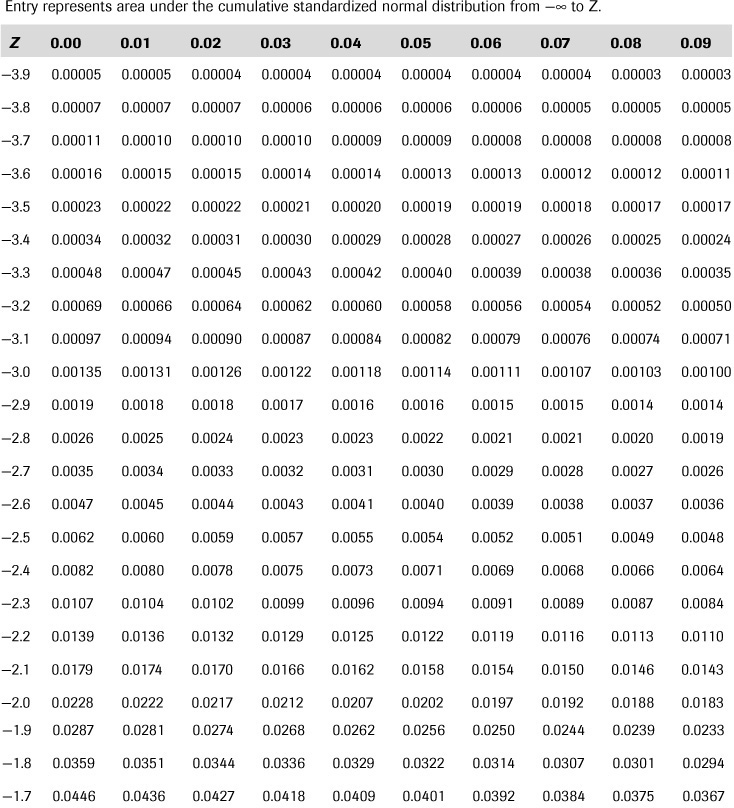
Standard normal distribution table right of z score interiorsplm
I go through the steps involved with performing a 2 by 2 contingency table analysis (also known as a Pearson chi-square analysis). In the video, I make refer.
How to Calculate the Odds Ratio from a 2 x 2 Table in R YouTube

By convention, this is what a 2x2 table looks like. Be sure to label the table correctly with exposure status on the side and disease status across the top. One tip I found was just draw some of these out as soon as you get your scratch paper. You may or may not need the totals depending on what you are trying to measure.
PPT CHAPTER 1 STATISTICS PowerPoint Presentation, free download ID5772041
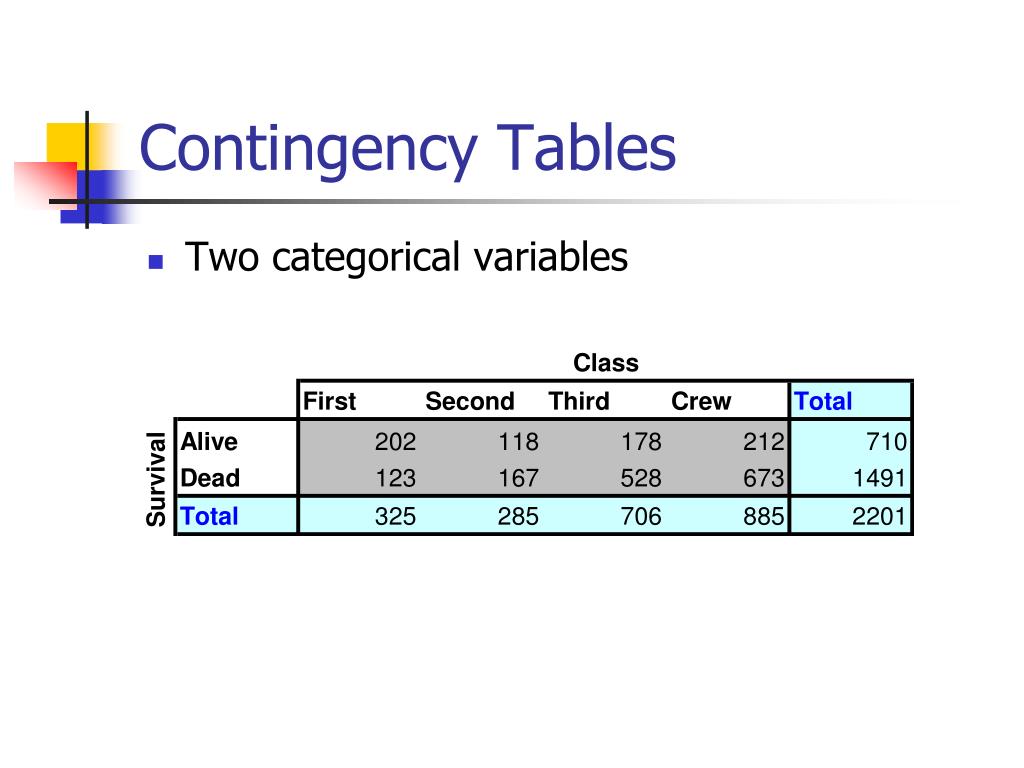
Contingency tables are used to analyze counts of subjects to determine if there is association between two factors. This calculator is for 2x2 contingency tables that separate each subject into one of four categories based on two factors, each with two possibilities. Simply label the rows and columns, then type in the counts for each cell to.
Statistics Twoway tables Year 5 Teaching Resources

A Complete Guide: The 2×2 Factorial Design. by Zach Bobbitt May 13, 2021. A 2×2 factorial design is a type of experimental design that allows researchers to understand the effects of two independent variables (each with two levels) on a single dependent variable. For example, suppose a botanist wants to understand the effects of sunlight (low.
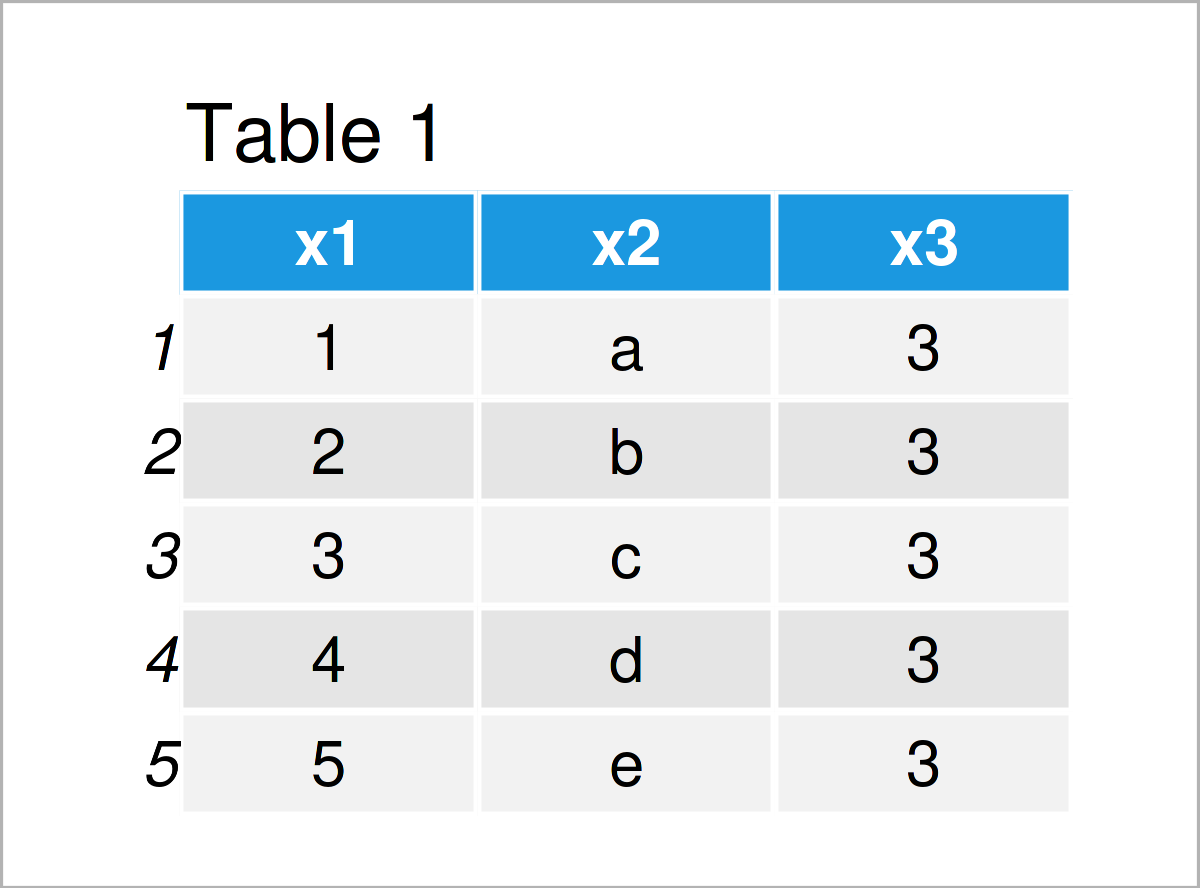
Append data.table to Another in R Concatenate & Combine Two Tables
M x M/ 2 x 2 Table. Epidemiologists frequently use 2 x 2 tables to examine the relationship between two or more categorical values. In these tables, an exposure variable is usually considered as the risk factor. The outcome variable is considered the disease of consequence (e.g., the person had the disease or outcome of interest, or they did not).
How To Make a Relative Frequency Distribution Table YouTube

Two-by-two tables are often used in clinical trials to evaluate the association between a possible risk factor, for example, exposure and the outcome of a di.
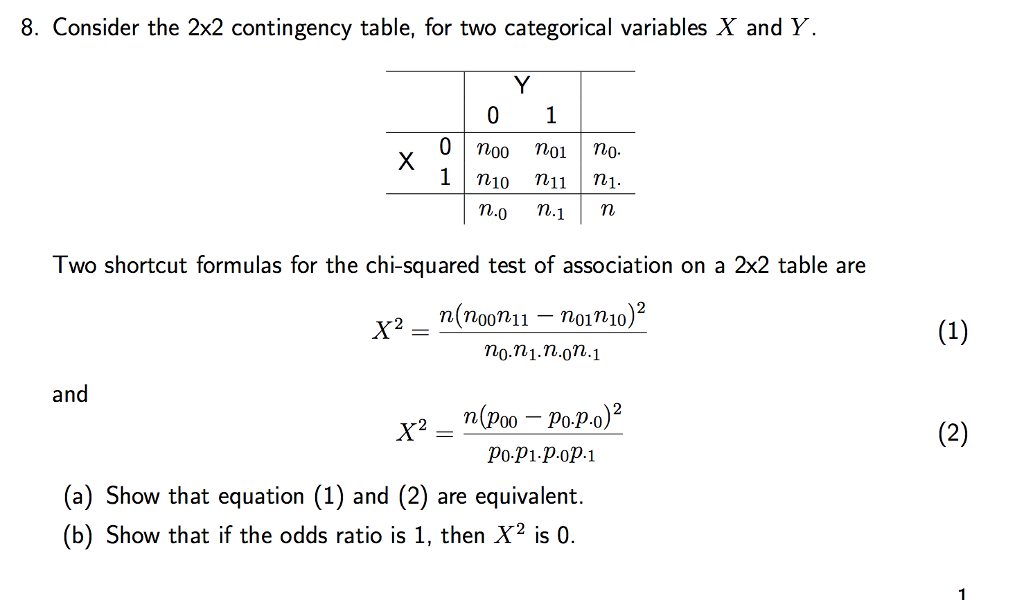
Solved 8. Consider the 2x2 contingency table, for two
Learn how to use OpenEpi to analyze the association between exposure and disease in two by two tables.
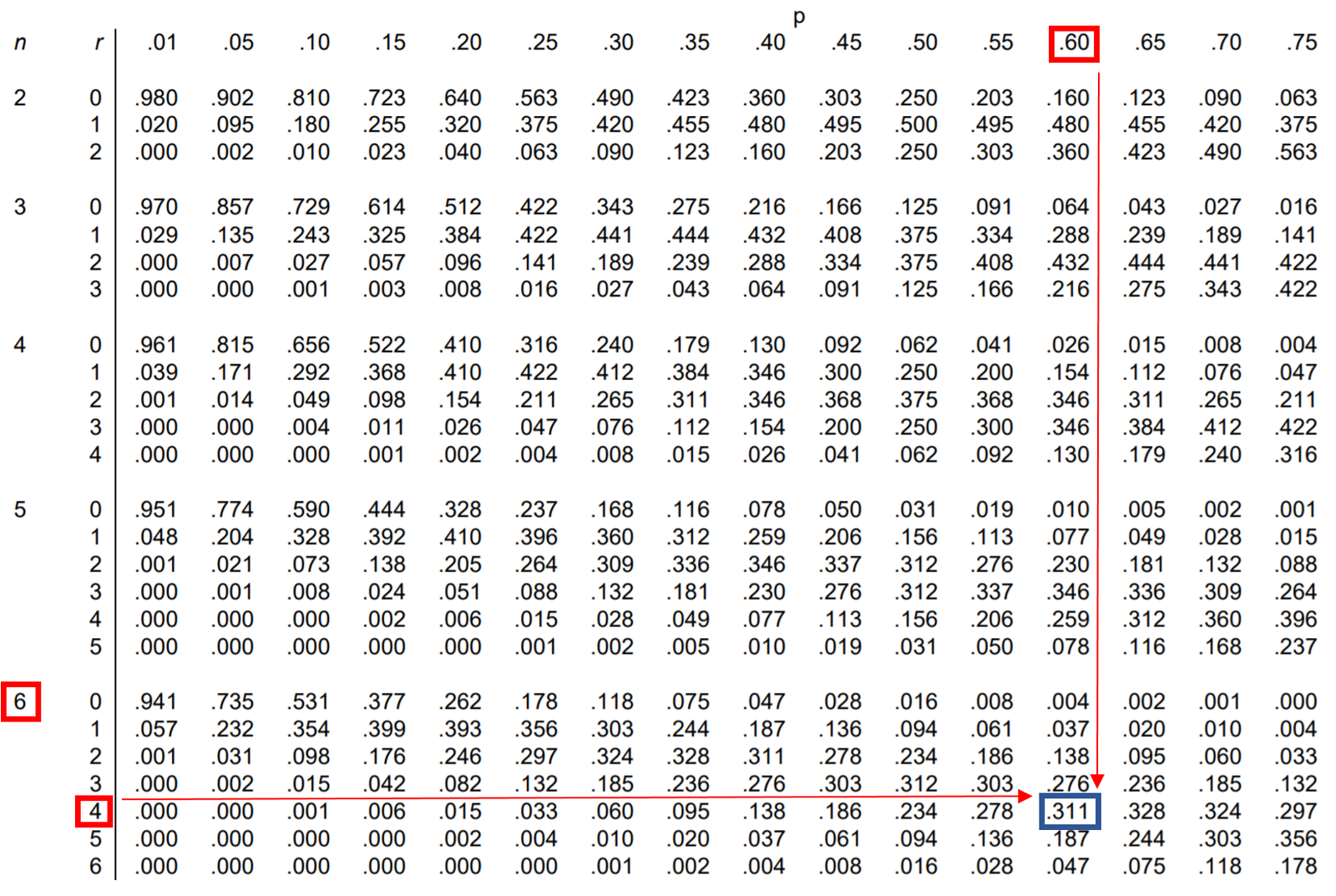
How to Read the Binomial Distribution Table Online Statistics library
The influence of the exposure on the disease is more marked than in Table 1. If, however, a 2 x 2 chi-square test is (wrongly) applied to a 2 x 3 table, the association is no longer significant. In the 2 x 2 table, a 2 x 2 chi-square test of independence has only one degree of freedom, whereas it has two degrees of freedom in the 2 x 3 table.
Introduction to Statistics II
Two-way relative frequency tables show what percent of data points fit in each category. We can use row relative frequencies or column relative frequencies, it just depends on the context of the problem. For example, here's how we would make column relative frequencies: Step 1: Find the totals for each column. Preference.
Epidemiology is The Study of Diseases in Populations Accredited Professional Statistician For Hire

After calculating the expected cell values, we next compute the elements of the chi-square test for each cell of the 2 x 2 table, as follows: STEP 1: Compute the difference between the observed and expected cell differences, then square this value and divide by the expected value within the cell. a) in Cell A we compute: (43-35.84) 2 ÷ 35.84 = 1.43 b) in Cell B we compute: (27-34.16) 2 ÷ 34..
Appendix C. Statistical Tables Even You Can Learn Statistics and Analytics An Easy to
A Chi-Square Test calculator for a 2x2 table. Chi Square Calculator for 2x2. This simple chi-square calculator tests for association between two categorical variables - for example, sex (males and females) and smoking habit (smoker and non-smoker).