Wijsheden tegeltje met spreuk over Werk We kunnen niet zonder jou maar we gaan het...
WOW Groep Wat doen wij
Het: It: Het: It: Wij/We: We: Ons: Us: Jullie: You (plural) Jullie: You (plural) Ze: They: Hen/Ze: Them: For the most part, Dutch personal pronouns follow a similar pattern to English. They have the same distinctions for masculine, feminine and neuter and for first, second and third person.. We use our own and selected third-party cookies on.
Ik Denk Niet Dat Er Een Volk Is Dat Meer Moet Lijden Dan Wij My XXX Hot Girl

2. In combination with another personal pronoun. If another personal pronoun is close (as a subject), you use JIJ. If the subject/personal pronouns are placed in separated sentences, you could also use JE (although it is unlikely). If they are in the same sentence (like in the third sentence* below) you have to use JIJ in Dutch.
Wij delen geloof, we delen de hoop YouTube

It is a bit blurry. When unstressed, 'we' is the most common, but 'wij' is still possible. Some people prefer to write 'wij' when they say 'we', others will pronounce it as 'wij' even when unstressed (notably some ethnic minorities do that, I think, like Surinamese or Antillian). So it is never wrong, but I would prefer 'we' when unstressed.
Wijsheden tegeltje met spreuk over Werk We kunnen niet zonder jou maar we gaan het...

The object personal pronouns follow the same rules as the subject personal pronouns. This time, we have an emphasized (mij) en a non-emphasized form (me) to refer to the first-person singular.Referring to things. When referring to things in the singular form, we use het for het-words, and hem for de-words.Occasionally, also haar can be used to refer to de-words.
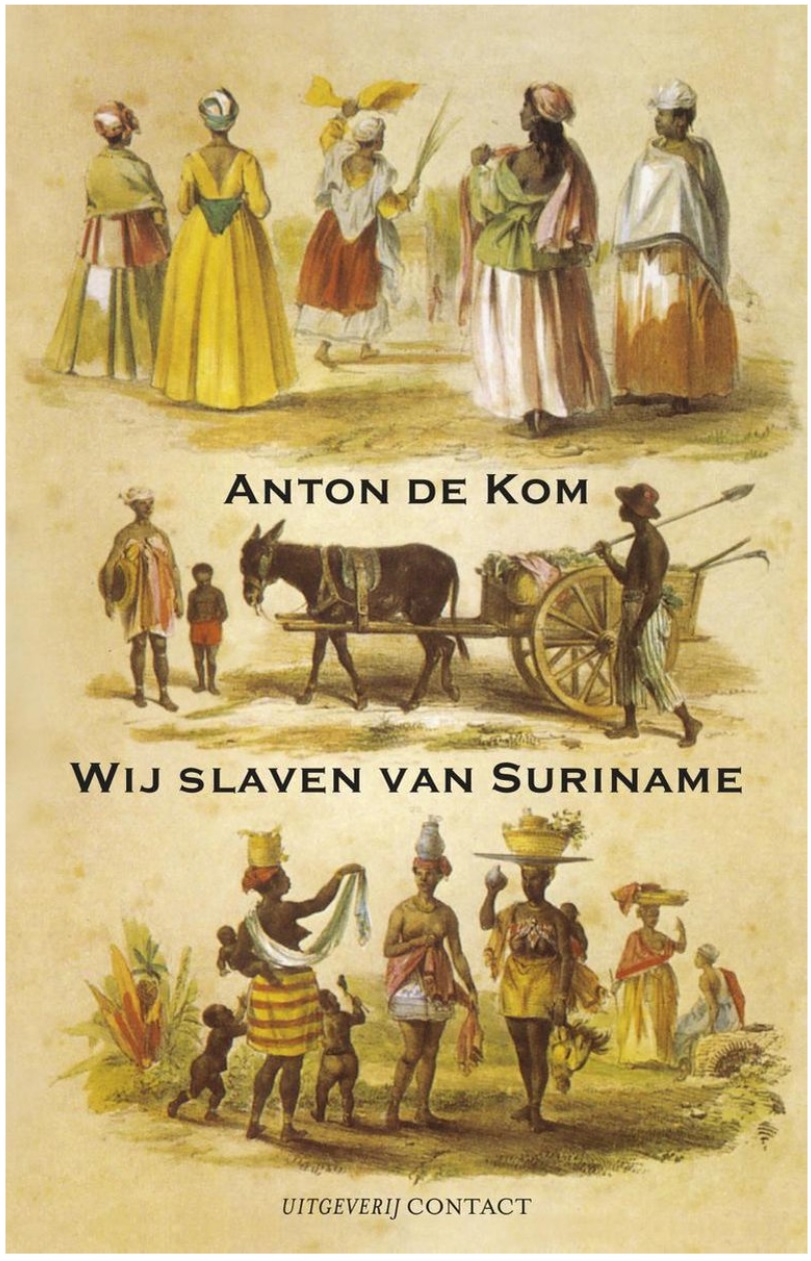
Anton de Kom Boek 'Wij slaven van Suriname'
he-she-it. wij/we. we. jullie. you. zij/ze. they. Depending on the person you are talking to, we have two forms of the singular 'you': je - jij, and u. U is used as a polite form to casual acquaintances, strangers, superiors and in general to persons a generation older.
Kaarten afscheid Hallmark Woorden citaten, Inspirerende citaten, Werk humor citaten

De volle vorm (jij, wij, jullie, zij) gebruik je als de persoon heel belangrijk is in de zin. Je gebruikt de volle vorm alsof je met je hand diegene aanwijst. Als ik deze naar Piet stuur, dan stuurt Piet het terug naar jou. Jij kunt het dan naar mij sturen. De wijzende hand is hier duidelijk merkbaar. Je leest het direct goed, en je hoort het.
WIJ is a Dark and Explosive Sexual Odyssey The Farsighted

Voor het onderwerp van een zin kunnen we zowel we als wij gebruiken. Het is aan te bevelen om daarvoor zo veel mogelijk de gereduceerde vorm we te gebruiken. Overmatig gebruik van de volle vorm wij maakt zowel gesproken als geschreven taal onnatuurlijk. In zakelijke teksten zoals rapporten, brieven en e-mails is het dus af te raden om uitsluitend de vorm wij te schrijven om naar uzelf of naar.
Chatgpt Bewust En Kritisch Inzetten In Het Onderwijs Hoe Pak Je Dat Aan Sexiz Pix
Before we get to that difference, let's start with the basics. Ik - I. Jij - You. Hij/zij/het - He/she/it. Wij - We. Jullie - You (plural) Zij - They. Verbuigen (to conjugate) for these pronouns is pretty easy, too. Let's use the verb fietsen (to bike) as an example: Ik fiets. Jij fietst. Hij/zij/het fietst. Wij fietsen. Jullie.
Tegeltje spreuk collega Succes met betere collega's vinden dan wij. We gaan je missen...

Ja, we is ook te gebruiken in brieven, mails en andere (zakelijke) teksten. Veel mensen denken dat in formelere teksten zoals brieven en zakelijke e-mails alleen wij gebruikt mag worden, maar dat is niet terecht. Als het onderwerp van de zin geen nadruk krijgt, is het onnatuurlijk om wij te gebruiken: 'Wij hebben uw brief ontvangen' klinkt.
Kaarten sterkte nw sterktewens Hallmark

Als het onderwerp van de zin geen nadruk krijgt, is het onnatuurlijk om wij te gebruiken: 'Wij hebben uw brief ontvangen' klinkt minder natuurlijk dan 'We hebben uw brief ontvangen.' Het is ook geen probleem om de vormen wij en we af te wisselen: gebruik wij als u het onderwerp wij wilt benadrukken ('Wij zijn verantwoordelijk voor de juiste.
WIJ WE 2018 trailer YouTube

hij. was. ze. waren. Past participle: geweest. Note that the examples above give you the unstressed personal pronouns. Some pronouns change when they are stressed in a phrase: je/jij, we/wij, ze/zij (both singular and plural). Learn Dutch grammar: Spelling and pronunciation, verbs, pronouns, nouns and articles, word order, and more.
Liedjes, Kinderliedjes, School

The Verb Zijn (To Be) Posted by heather on Feb 7, 2012 in Dutch Grammar, Dutch Language, Dutch Vocabulary. Verbs might not be the most exciting part of a language but they are one of the most important. With that in mind, today we will take a look at the verb zijn, which means to be. Here are some examples of the verb at work: Ik ben de lerares.
Ik, jij, u, hij, zij, die, wij, jullie, zij persoonlijke voornaamwoorden (nt2, learndutch

Met wij-vorm Zonder wij-vorm; We zien in de praktijk dat de handhaving onmogelijk is. In de praktijk is de handhaving onmogelijk. In hoofdstuk 3 hebben we geconcludeerd dat… In hoofdstuk 3 is geconcludeerd dat… Nederland was het eerste land dat het homohuwelijk toestond. Wij zijn vaak toleranter wat dit onderwerp betreft dan niet-Westerse.
Samenwerkingen
Het is ook geen probleem om de vormen wij en we af te wisselen. Gebruik wij als er nadruk op ligt: 'Wij zijn verantwoordelijk voor de juiste afhandeling van klachten. ' Gebruik we als er niet zo veel nadruk ligt op het woord: 'Zoals we hebben afgesproken', 'Als u graag gebeld wilt worden, nemen we contact met u op.
Dus Wat Gaan Wij Doen? NPO3.nl

In can use them interchangeably, but 'wij' is usually only used when it's stressed. In addition to the other reactions, it's common to use wij when first "introducing" the group, then use we afterwards. "Wij" is more indicative of the group, as in this group of folks here, e.g. me & johnny & mary. "We" is more vague, like some or all of the.
Wij zijn verhuisd! 10 leuke ideeën om het aan iedereen te laten weten!

Google's service, offered free of charge, instantly translates words, phrases, and web pages between English and over 100 other languages.